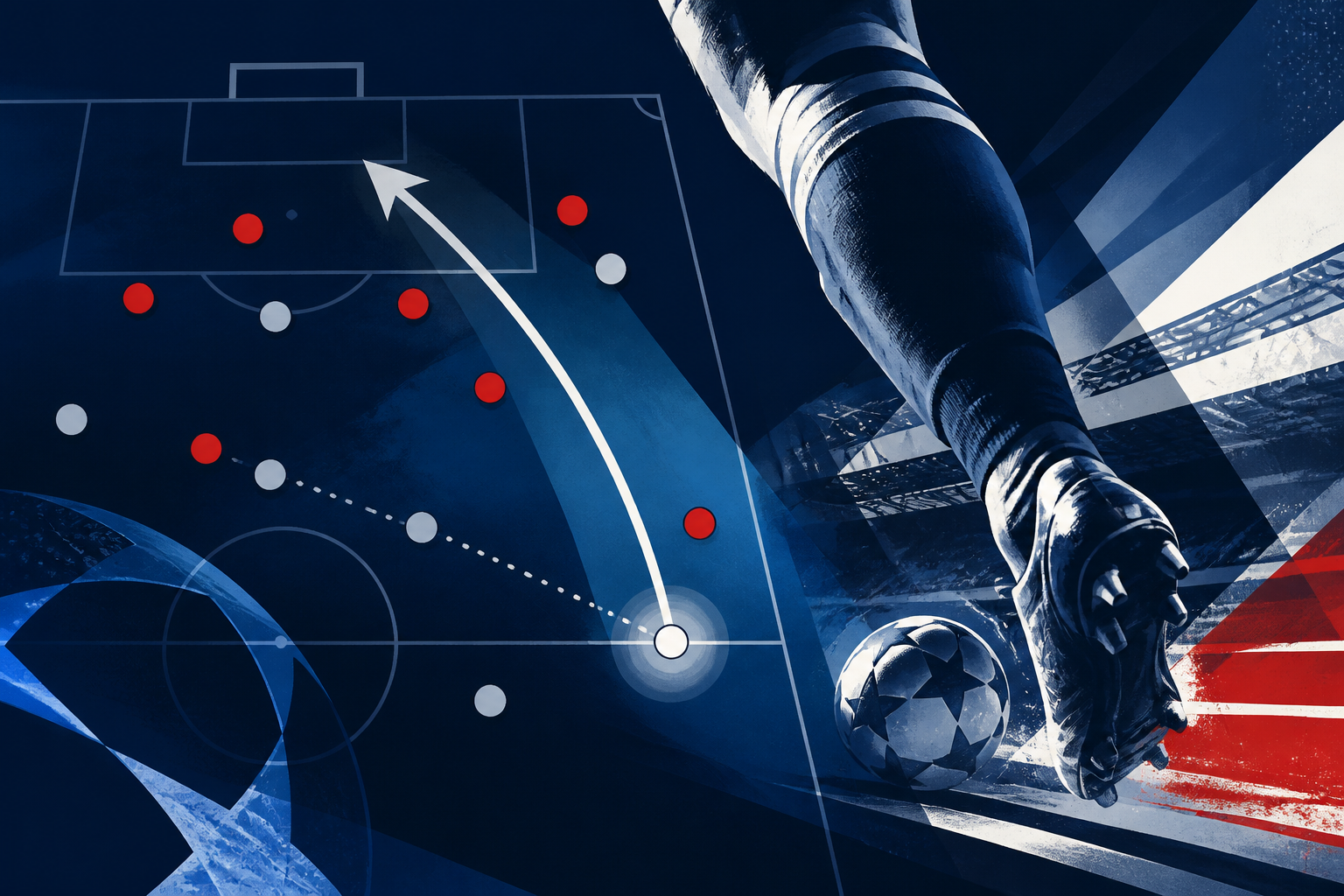

Full-backs highlight the value of attacking fluidity
UEFA’s preview of Matchday 2 examines how positional movement helped Atlético de Madrid, Fenerbahçe and Sporting CP create openings.
Published on 12 October 2026, UEFA’s Champions League Performance Insights looked ahead to Matchday 2 by examining how attacking fluidity can disrupt defensive organisation.
The UEFA article used Matchday 1 examples involving Atlético de Madrid, Fenerbahçe and Sporting CP, with full-backs and wing-backs making influential runs and contributing to attacking moves.
Llorente’s movement against Liverpool
UEFA highlighted Atlético wing-back Marcos Llorente’s movement in the team’s match at Liverpool. He ran infield and behind Liverpool’s centre-backs to score, while Atlético’s midfield overloads helped the visitors find space both centrally and out wide.
The analysis described attacking fluidity as freedom of movement within a system, intended to make a team less predictable and more difficult to defend against. It attributed to UEFA Technical Observer Kieran McKenna the view that such movement can be particularly useful against high pressing and man-to-man marking.
Brown’s role in Fenerbahçe’s equaliser
UEFA also pointed to Fenerbahçe left-back Archie Brown, who finished the move for the team’s equaliser against Roma. The article said Fenerbahçe used movement in midfield and forward Vedat Muriqi dropping deep to unsettle Roma’s man-to-man defensive organisation.
McKenna praised Brown’s composure and his willingness to occupy a centre-forward position and remain available for the final through pass, according to UEFA.
Rotations in Sporting CP’s comeback
A third example came from Sporting CP’s comeback win against Galatasaray. UEFA described left-forward Luis Guilherme moving to the right to draw an opposing midfielder away from central space, creating room for centre-back Eduardo Quaresma to run forward.
Full-backs featured again in the move: Maximiliano Araújo crossed for Geny Catamo’s goal, while fellow full-back Giorgios Vagiannidis also advanced into the area.
What coaches can take from the examples
McKenna’s coaching considerations, as summarised by UEFA, include helping players recognise openings created by disruption, developing their understanding of different roles in attack and defence, and planning how the team will defend after losing possession.
Newsroom
UEFA’s Matchday 2 preview framed positional flexibility as a collective tactic, with the featured examples showing how players in defensive roles can also shape attacking moves.

Editorial transparency · How this story was created
This article was prepared by the automated Ranko newsroom using tournament data recorded on Ranko Universe at the time of generation. Subsequent updates or corrections may not yet appear here.
This report summarises the results and standings available when it was prepared.
AI-generated editorial illustration. Not a photograph or an official game screenshot.
Please report inaccuracies through Ranko Universe support channels.
Learn how the newsroom worksSources
-
UEFA Champions League
Official source · 12/10/2026 07:35
Comments

Preparing the player…